How to Install a New Garage Door Opener in 2025: Step-by-Step Guide
What Tools and Parts Do I Need to Install a Garage Door Opener?
Before beginning the installation, gather all necessary tools and parts to streamline the process. The main components include:
- Mounting bracket and rail assembly – these form the structure that guides the door's movement.
- Trolley with trolley arm – connects to the garage door and moves along the rail.
- Operator head (opener motor unit) – powers the mechanism.
- Carriage bolts, screws, fasteners, and other mounting hardware – essential for securing parts in place.
- Power cord and appropriate electrical wiring – to supply electricity to the opener.
- Wall control panel and remote control with fresh remote battery – for operating the door.
- Safety sensors including photo eye system – to prevent accidents during operation.
- Alignment tool – helps ensure accurate positioning of components.
- User guide and installation manual specific to your opener model – invaluable for reference throughout installation.
In addition to these parts, you will need some basic tools such as an electric drill, wrench set, screwdriver, ladder, tape measure, and a level to guarantee proper mounting and alignment.
How Do I Prepare the Garage Door and Workspace Before Installation?
Proper preparation of your garage door and workspace is crucial for a successful installation.
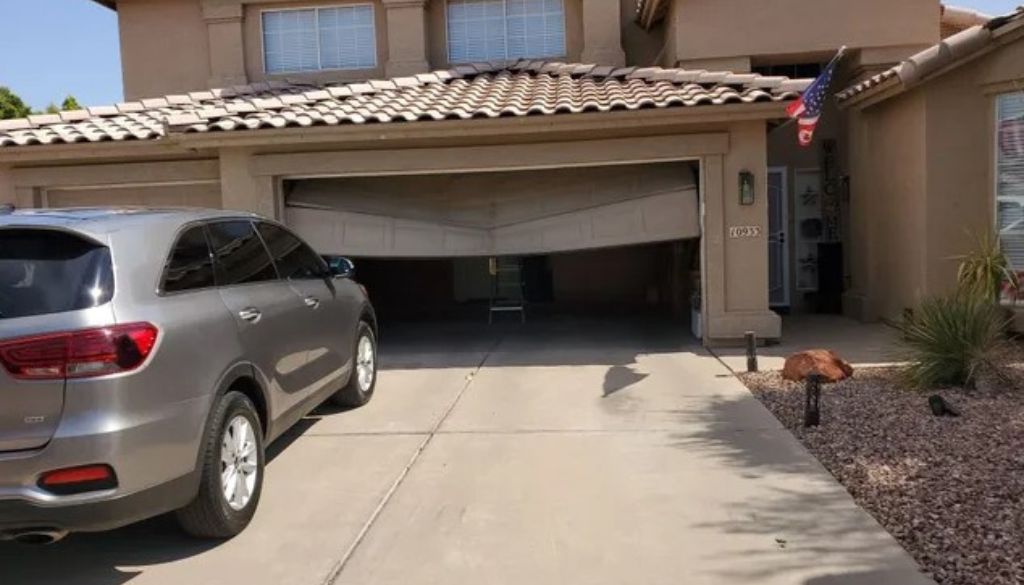
- Start by inspecting the door panels, hinges, and springs to ensure they are in good working condition, as worn components can affect the opener’s performance.
- Check and lubricate the door rollers and door track to allow smooth movement.
- Clear any clutter or obstacles from around the door frame and the ceiling mount area where the operator head will be installed.
- Verify that the door frame is sturdy enough to support the mounting bracket and operator head securely.
- If replacing an old opener, remove previous hardware carefully, paying attention to the lock mechanism and manual release.
- Consider installing or adjusting the door seal to improve insulation and weatherproofing.
Taking time to prepare your space and door reduces complications during the mounting and wiring phases.
What Are the Steps to Assemble and Mount the Rail and Opener Motor?
The assembly and mounting of the rail and opener motor involve connecting several key components:
- Assemble the rail assembly by joining rail pieces and attaching the trolley. Depending on your model, the drive system could be a chain drive, belt drive, or screw drive; each has its unique setup but generally follows similar principles.
- Attach the gear rack or drive sprocket where applicable to ensure smooth transmission power.
- Install the mounting bracket firmly to the door frame using carriage bolts, bolts, and other fasteners provided in your kit. Proper anchoring here is vital for safety and operation.
- Secure the operator head to the ceiling mount using adequate mounting hardware, confirming it is level and stable.
- Connect the rail assembly to the operator head, fastening with carriage bolts and ensuring the alignment tool confirms straightness.
- Attach the transmission tube or chain/belt to the trolley, allowing it to move the door along the track effectively.
Refer closely to your installation manual during these steps for model-specific instructions and torque specifications.
How Do I Connect the Electrical Components and Controls?
Electrical setup is essential for controlling the garage door opener safely and efficiently.
- Plug the power cord from the operator head into a grounded power outlet near the installation site.
- Install the wall control panel inside the garage near the door’s entry point. Wire it according to the circuit board diagrams in the user guide, usually via low-voltage cables.
- Mount the safety sensors or photo eye units opposite each other at door track level across the opening. Connect their wiring to the operator head to enable obstacle detection.
- Place the wireless keypad outside the garage door if your system includes one; follow the programming instructions to sync it with the opener.
- Attach the antenna wire in a position that maximises remote signal reception.
- Ensure your remote control batteries are fresh and pair remotes with the operator using the push button or via wireless programming per your model’s user guide.
Test each component’s functionality before completing the installation to troubleshoot any wiring issues early on.
Our Sponsor
A1 Garage Doors Gold Coast
A1 Garage Doors Gold Coast is a Bundall-based garage door specialist serving the southern Gold Coast and surrounding suburbs with installation, repair, maintenance, and emergency garage door services. The company specializes in sectional doors, roller doors, garage door openers, spring and cable replacement, opener motor repair, smart-enabled installations, and 24/7 emergency call-outs across Robina, Burleigh Heads, Surfers Paradise, Nerang, Coomera, and the wider Gold Coast region.
Address:
1 Waterford Court,
Bundall,
QLD
4217,
Australia
Phone: (07) 5515 0277
Business Hours:
- Open 24/7 — Including After-Hours and Emergency Call-Outs
Follow Us:
How Do I Test and Adjust My New Garage Door Opener?
After mechanical and electrical setup, fine-tuning and testing will ensure your garage door opener performs reliably and safely.
- Use the limit switch settings to define the door’s full open and closed positions, preventing over-travel that could damage the door or opener.
- Adjust the torque and speed controls to suit your door’s weight and size so the opener operates smoothly without straining the motor.
- Verify the proper function of safety sensors and the infrared beam by placing an object in the door path and observing if the door automatically reverses.
- Test the emergency release mechanism, ensuring that the manual release allows the door to be opened manually in case of power failure.
- Install the light bulb in the operator head, and check if it illuminates correctly during door operation.
- If your opener includes a battery backup, test its functionality by temporarily disconnecting power and observing the door's controlled movement.
- Run several open-close cycles to confirm consistent operation and troubleshoot any irregularities.
What Safety Precautions Should I Consider When Installing a Garage Door Opener?
Safety is paramount when installing and using a garage door opener. Key precautions include:
- Always disconnect electrical power before beginning work on wiring to avoid electric shock.
- Ensure safety sensors and photo eye devices are properly aligned and functional, as these prevent injury and property damage by reversing door motion upon obstruction.
- Never disable or bypass the emergency release, lock mechanism, or other safety features designed to protect users.
- Follow all warning labels and manufacturer instructions carefully, adhering to local electrical codes during wiring and mounting.
- Wear personal protective equipment such as safety goggles and gloves to guard against injuries from springs, hinges, and moving parts.
- Do not attempt to adjust or replace garage door springs yourself — these are under high tension and should be handled by qualified professionals.
Comparing Chain Drive, Belt Drive, and Screw Drive Garage Door Openers
Selecting the right drive system depends on your priorities regarding noise, maintenance, and durability.
- Chain drive openers use a metal chain to move the door, offering durability and cost-effectiveness but tend to be noisier.
- Belt drive openers employ a rubber belt which operates quietly and requires less maintenance, ideal for homes with living spaces adjacent to the garage.
- Screw drive openers utilize a threaded steel rod, providing smooth operation with fewer moving parts, but may produce moderate noise levels.
Choosing the appropriate option ensures optimal performance and user satisfaction.
How to Program Multiple Remotes and Wireless Keypads
Programming additional remotes and keypads enhances convenience for all household members.
- Refer to your user guide for the exact procedure, as it varies by opener model.
- Typically, press the push button on the operator head’s circuit board to enter programming mode.
- Activate the remote control’s button or input codes on the wireless keypad within the designated timeframe to pair devices.
- Replace remote batteries periodically to maintain signal strength and responsiveness.
Troubleshooting Common Garage Door Opener Installation Issues
If your door won’t operate as expected, consider these common problems and solutions:
- Door won’t close fully: Check the limit switch settings and adjust the torque if necessary.
- Motor won’t run: Confirm power supply and examine electrical wiring connections for loose or damaged wires.
- Sensors misaligned: Reposition the photo eye sensors using the alignment tool until the infrared beam signals correctly.
- Remote unresponsive: Replace the remote battery and verify programming with the operator head.
Maintaining Your Garage Door Opener After Installation
Regular maintenance extends the lifespan of your garage door opener and ensures safe operation:
- Lubricate moving parts such as door rollers, hinges, and the pulley system semi-annually.
- Clean the safety sensors and photo eyes to prevent false obstructions.
- Replace light bulbs promptly when burnt out to maintain visibility during operation.
- Test the battery backup annually to verify emergency functionality.
When to Call a Professional: Garage Door Opener Safety and Complex Repairs
While many installations are DIY-friendly, certain repairs require professional expertise:
- Springs replacement: Due to high tension, only certified technicians should service springs.
- Motor repair or replacement: Diagnosing electrical faults or replacing the operator head may need specialised tools.
- Electrical wiring problems: Complex issues or code compliance questions should be handled by licensed electricians.
- Consult professionals to protect your warranty and maintain full safety compliance.
Frequently Asked Questions (FAQ)
Q1: Can I install a garage door opener myself without prior experience?
A1: Yes, many modern garage door openers come with detailed installation manuals that guide garage door repairs surfers paradise DIY enthusiasts through the process. Basic electrical knowledge and familiarity with hand tools are recommended to ensure safety and correct setup.
Q2: What type of garage door opener drive system is best?
A2: It depends on your preferences. Belt drives offer quiet and low-maintenance operation; chain drives provide durability and cost savings; screw drives have less upkeep but may be noisier. Consider noise levels and maintenance needs when choosing.
Q3: How do I know if my garage door springs are safe to use with a new opener?
A3: Springs should be inspected by a professional. Worn or damaged springs may compromise safety and door function. If in doubt, have springs replaced by a certified technician before installing the opener.
Q4: What should I do if my garage door opener won’t operate after installation?
A4: First, verify the electrical connections and power supply. Check that the safety sensors are aligned correctly and that remotes are programmed with fresh batteries. Consult the troubleshooting section of your installation manual for guidance.
Q5: Is it necessary to install safety sensors?
A5: Absolutely. Safety sensors, including photo eye systems, detect obstructions and prevent accidents by reversing the door if something is in the path. They are mandated by modern safety regulations and critical for family safety.
Q6: How often should I maintain my garage door opener after installation?
A6: Regular maintenance is advisable, including lubricating moving parts and cleaning sensors every six months, replacing batteries annually, and performing periodic inspections to catch https://www.detroitstar.com/news/279048941/a1-garage-doors-gold-coast-expands-247-emergency-repairs-ahead-of-tourism-season wear and tear early, ensuring reliable operation.
In summary, installing a new garage door opener involves careful preparation, precise assembly, safe electrical connections, and thorough testing. By following these detailed steps and observing safety precautions, you can enjoy the convenience and security of a professionally functioning garage door opener. Should any complex repairs or dangerous components like springs require attention, always consult a professional. Ready your tools, study your installation manual, and get started on upgrading your garage door system today!